 文
文Hands-On Cultural Experiences in Japan for Visitors
The best memories from a trip to Japan are rarely the photos — they're the moments you took part in. Kneeling for a bowl of matcha, soaking in a hot spring with the steam rising into cold mountain air, fumbling and then mastering a paper-folding technique with a patient teacher. These experiences are open to visitors far more than people expect, and a little preparation lets you join in with confidence rather than worry.
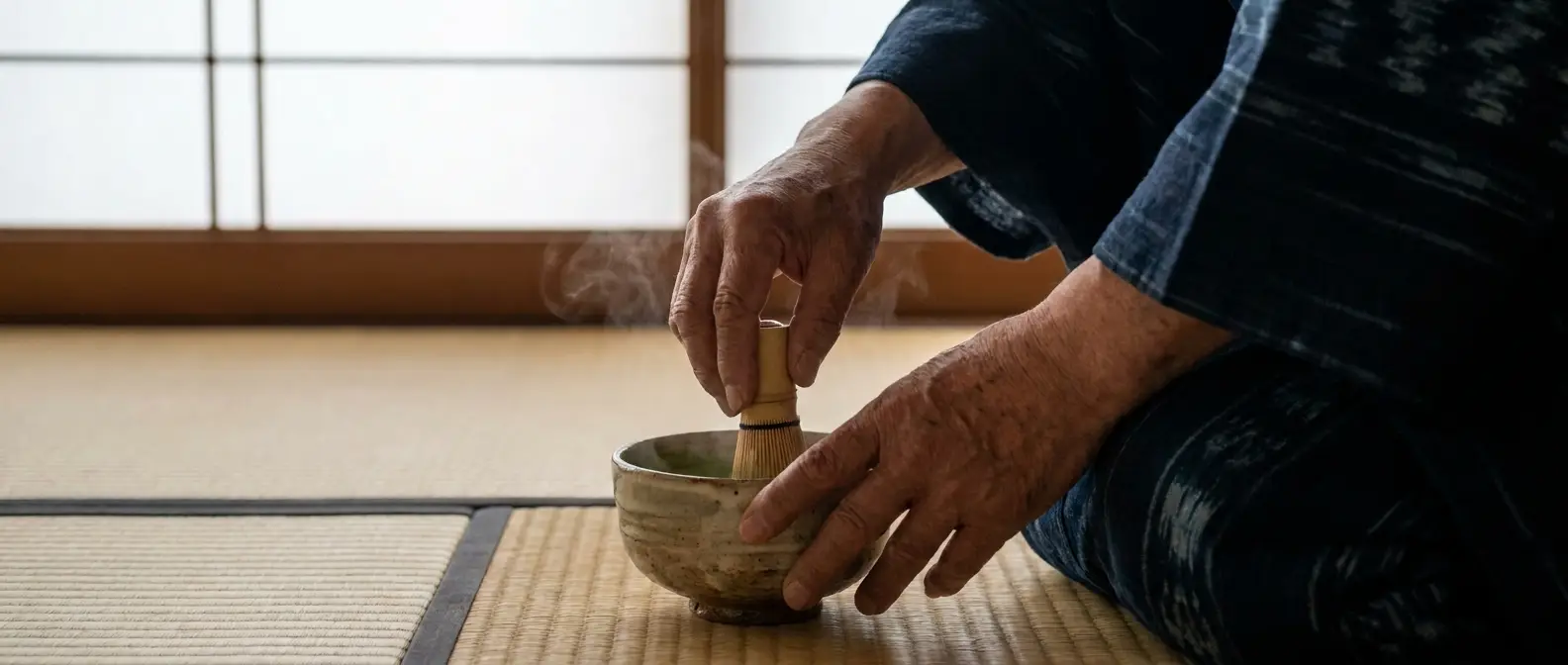
Tea ceremony
The Japanese tea ceremony (chanoyu or sado) turns a simple bowl of green tea into a quiet, deliberate ritual, every movement considered. A visitor session usually walks you through the gestures and explains what's happening, so you don't need any background to take part.
- You'll typically be served a small sweet (wagashi) first — eat it before the tea, as its sweetness balances the bitter matcha.
- Take the bowl in both hands, turn it slightly before drinking, and sip — finishing with a small final slurp is normal, not rude.
- The whole point is unhurried attention, so slow down and let the host set the pace.
Many sessions involve sitting in the traditional seiza kneeling position. If that's uncomfortable, say so when you book — most places are happy to provide a low stool or a chair.
Staying in a ryokan
A ryokan is a traditional Japanese inn, and a night in one is an experience in itself rather than just a place to sleep. Expect tatami-mat rooms, futon bedding laid out for you in the evening, and often an elaborate multi-course dinner of seasonal local dishes.
- Remove your shoes at the entrance and change into the slippers provided; step out of even the slippers before walking on tatami.
- You'll be given a yukata (a cotton robe) to wear around the inn — wrap the left side over the right.
- Meals often run to a fixed schedule, so check the timings when you arrive.
A good ryokan, especially one with its own hot spring, is one of the most memorable ways to spend a night in Japan.
Onsen etiquette
Bathing in an onsen (natural hot spring) is a beloved Japanese ritual, and the etiquette is straightforward once you know it. The golden rule: you wash before you get in, and the bath itself is for soaking, not cleaning.
- Bathe naked — swimsuits are not worn in traditional onsen. Baths are almost always separated by gender.
- Wash and rinse thoroughly at the seated shower stations before entering the communal bath.
- The small towel you're given is for modesty and washing; keep it out of the bathwater, often folded on your head.
- Tie up long hair so it doesn't touch the water.
Visible tattoos are still restricted at some onsen for historical reasons. Many places are relaxing this, and some offer cover-up stickers, private baths, or tattoo-friendly policies — it's worth checking ahead if this affects you.
Wearing a kimono or yukata
Renting a kimono or, in summer, a lighter yukata and walking the old streets of a historic district is a popular and genuinely fun thing to do. Rental shops handle everything: they help you choose a design, dress you properly, and often style your hair.
- Always wrap left side over right — right over left is reserved for dressing the deceased.
- Shops in places like Kyoto cluster near the historic sightseeing areas, so you can step straight out into the perfect backdrop.
- The full kimono is more elaborate and structured; a summer yukata is simpler and cooler. Pick to suit the season.
Craft workshops
Making something with your own hands gives you a connection to a tradition that no amount of looking can. Hands-on workshops are widespread and usually beginner-friendly.
- Papermaking — try your hand at a sheet of washi in one of the historic paper towns or a city studio.
- Furoshiki wrapping — learn the knots of the Japanese wrapping cloth and take the skill (and the cloth) home.
- Others to look for — pottery, indigo dyeing, knife-making, wagashi sweet-making, and calligraphy are all commonly offered to visitors.
Zazen meditation
Some Buddhist temples open their doors for zazen, the seated meditation at the heart of Zen practice. A guided session is a rare chance to experience a working temple from the inside, often led by a monk who explains the posture and breathing.
- Sessions are usually held in silence and stillness; phones go away entirely.
- Wear comfortable, modest clothing that lets you sit cross-legged.
- It can be physically demanding to sit still for a stretch — that effort is part of the practice, not a sign you're doing it wrong.
A note on respect
Across all of these, the same simple attitude carries you a long way: arrive on time, watch what others do, ask before photographing people, and follow your host's lead. Mistakes are expected and forgiven — what's appreciated is the genuine effort to take part with care. That openness is exactly how these experiences are meant to be met.
FAQ
Do I need to speak Japanese to join these experiences? No. Many experiences in tourist areas are run with international visitors in mind, and instructions are often given in English or shown by demonstration. Booking through a service aimed at travellers makes this easier still.
Are cultural experiences expensive? They range widely. A short tea ceremony or craft workshop is usually affordable, while a luxury ryokan stay or a private guided experience costs considerably more. There's something at most budgets.
Should I book in advance? For popular experiences and during peak seasons, yes — many run in small groups and fill up. Ryokan, in particular, should be reserved well ahead.
Related: Washi — a guide to Japanese paper · Furoshiki wrapping cloth · Kyoto travel guide