 交
交IC Cards in Japan (2026): Suica, Pasmo & Mobile
Short answer: get a Suica (or PASMO) onto your phone and tap your way around Japan. An IC card is a rechargeable tap-to-pay card that works on trains, subways, and buses nationwide — and at convenience stores, vending machines, and lockers too. In 2026 the smartest move is to skip the plastic and use a mobile card.
Here's why, and what your options are.
What an IC card is
An IC card is a prepaid card you load with yen and tap at the gate or till. No need to know fares in advance — the system deducts the right amount when you tap out. The two best-known are Suica (originally JR East) and PASMO (private railways and subways), but they're interchangeable: one card works on virtually every train and bus in the country.
The 2023 card shortage
Here's the catch for 2026: the regular physical Suica has not been sold since 2023, due to a global chip shortage, and regular physical PASMO sales have been similarly limited. You can still use a plastic card you already own, but buying a brand-new standard one isn't straightforward. That's exactly why tourist-specific cards and mobile options exist — and why mobile is the recommended route.
Your options as a tourist
| Option | What it is | Validity | Notes |
|---|---|---|---|
| Welcome Suica | Physical tourist card | 28 days | No deposit; from airport JR service centres |
| Welcome Suica Mobile | App (launched March 2025) | 180 days | iPhone; not hit by the card shortage |
| Suica in Apple Pay / Google Pay | Add Suica to your phone wallet | Ongoing | Works on most modern phones |
| Tourist PASMO | New physical tourist card | [VERIFY: validity period] | Available from April 2026; replaces the old PASMO PASSPORT (ended Oct 2024) |
The unused balance on a physical Welcome Suica is not refundable, so don't overload it near the end of your trip.
Mobile is the easy choice. Adding Suica to Apple Pay or Google Pay (or using the Welcome Suica Mobile app) means no queues, no deposit, instant top-ups, and nothing affected by the card shortage. Set it up before you land.
How to top up and use it
To top up:
- Mobile: open your wallet or the app and add credit with a linked card — done in seconds, anytime.
- Physical: use the IC charge machines at any station; most take cash only, so keep some yen handy.
To use it:
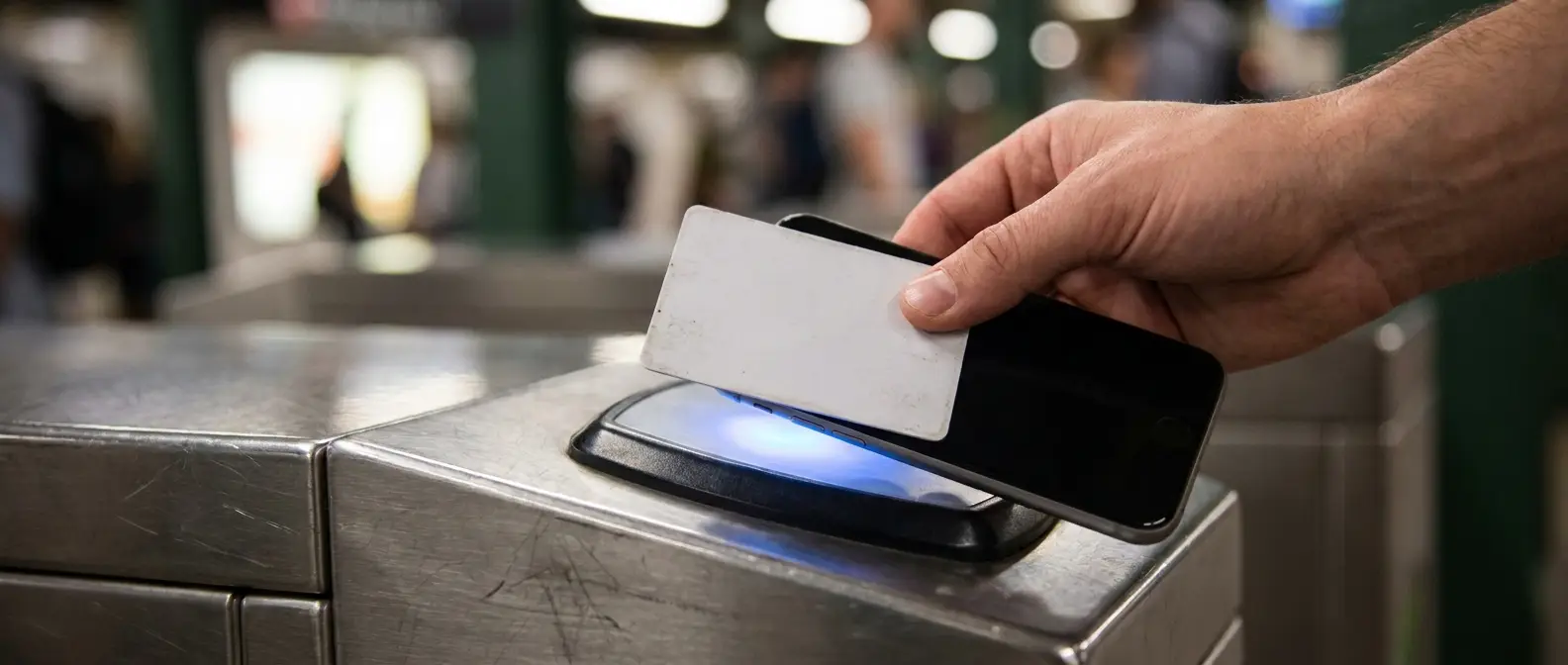
- Trains & subways: tap the card or phone on the reader at the gate going in and out.
- Buses: tap on boarding (and sometimes on exit, depending on the city).
- Shopping: tap to pay at convenience stores, vending machines, station kiosks, and many shops — look for the IC symbol.
A plain IC card isn't enough to ride the shinkansen on its own — you still need a fare and a reservation. IC cards are for local trains, subways, buses, and shopping. See our trains guide for how it all fits together.
Which should you choose?
- Got an iPhone or a recent Android? Add Suica to Apple Pay / Google Pay, or use the Welcome Suica Mobile app. This is the recommendation for most travellers.
- Prefer a physical card? Pick up a Welcome Suica at the airport on arrival (28-day validity, no deposit), or a Tourist PASMO from April 2026.
- Already own an old plastic Suica or PASMO? Just keep using it — no need to replace it.
FAQ
Can I still buy a regular Suica in 2026? Not easily — standard physical Suica sales have been paused since 2023. Use a mobile Suica or a tourist card instead.
Suica or PASMO — does it matter which? No. They're interchangeable and both work nationwide on trains, buses, and for shopping.
Does mobile Suica need a Japanese phone or SIM? No — it works on foreign iPhones and recent Androids via Apple Pay or Google Pay, no local SIM required.
Can I get my balance back at the end of the trip? Mobile balances can typically be managed in-app; the Welcome Suica's leftover balance is non-refundable, so spend it down before you leave.
Related: Trains in Japan · The shinkansen explained · Is the JR Pass worth it?