 祭
祭Japan Festivals Calendar: A Month-by-Month Guide
Japan runs on seasons. There's a festival or a natural spectacle for almost every month, and timing a trip to catch one — snow sculptures in the north, blossom in spring, fireworks in the summer heat, fiery maples in autumn — can define the whole visit. Exact dates shift a little each year and by region, so treat the months below as a guide and confirm specifics closer to your trip.
Winter (December–February)
The cold months are quieter for sightseeing but spectacular in the snow country. The headline event is the Sapporo Snow Festival, typically held in early February, when Hokkaido's capital fills with enormous, intricately carved snow and ice sculptures. It's one of Japan's great winter draws — see our Sapporo guide for planning. Across the country, late December into early January brings New Year (Shogatsu), the most important holiday of the year, marked by shrine visits, special foods and a calmer, more reflective mood.
Winter festival towns get cold and crowded. Book Hokkaido accommodation well ahead for the snow festival window, and pack properly for sub-zero temperatures.
Spring (March–May)
Spring is cherry-blossom season — the country's most anticipated few weeks. The bloom (sakura) typically sweeps north from late March through April, starting earlier in the warm south and reaching Hokkaido weeks later. Crowds and prices rise with the petals, and the timing varies year to year, so plan with some flexibility. Late April into early May also brings Golden Week, a cluster of national holidays when domestic travel peaks.
| Season | Typically | Highlight |
|---|---|---|
| Winter | Early February | Sapporo Snow Festival |
| Spring | Late March–April | Cherry blossom (sakura) |
| Summer | July–August | Matsuri and fireworks |
| Late summer | Mid-August | Obon |
| Autumn | November | Foliage (koyo) |
| Year's end | Late Dec–early Jan | New Year (Shogatsu) |
Summer (June–August)
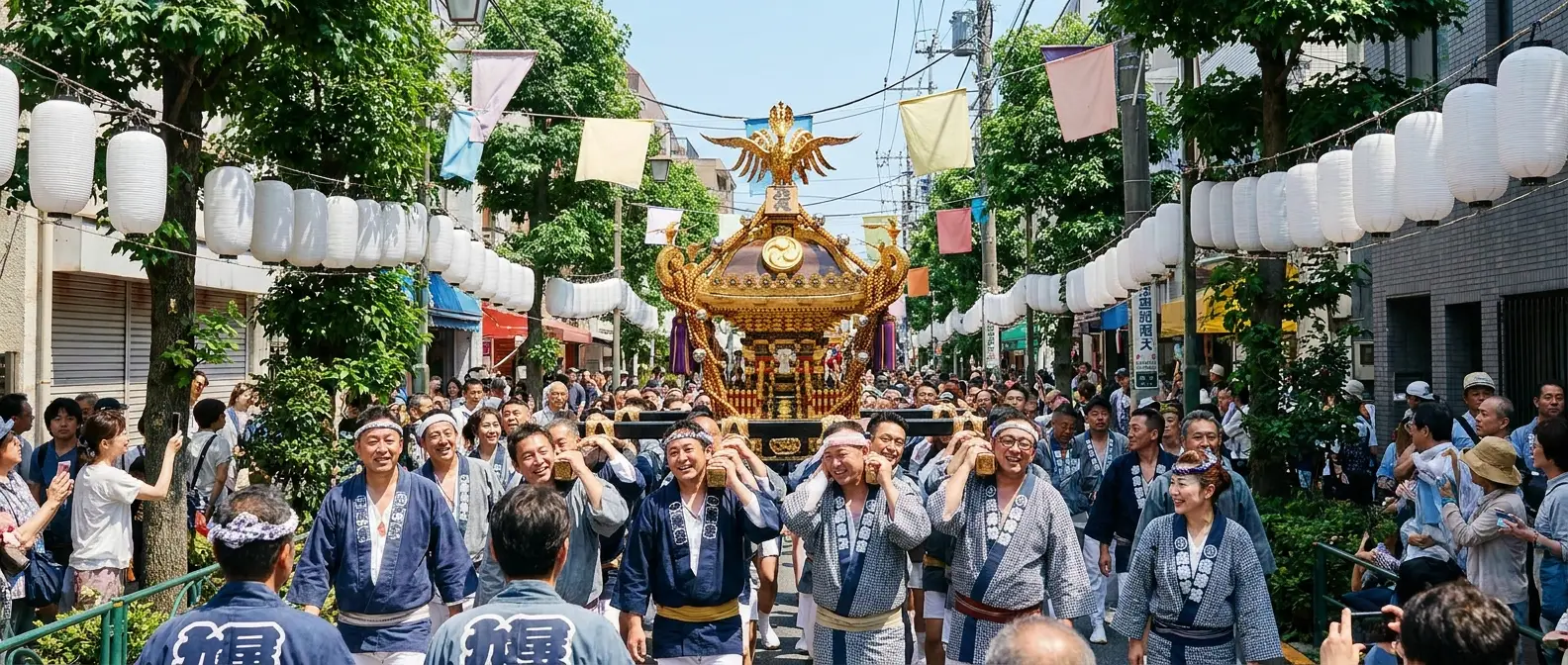
Summer is festival season proper. From July through August, towns across Japan hold lively matsuri — street processions, floats, drumming, food stalls and dancing — alongside spectacular fireworks displays (hanabi) over rivers and bays on warm evenings. These are some of the most atmospheric experiences in the Japanese year; our summer fireworks festivals guide covers the big ones. Mid-August brings Obon, when families return to their hometowns to honour their ancestors and domestic transport is at its busiest.
Japanese summers are hot and humid. Stay hydrated at festivals, and remember that Obon (mid-August) is one of the year's peak travel periods — book trains and rooms early.
Autumn (September–November)
After the summer heat fades, autumn brings clear skies and the second great colour season: the autumn foliage (koyo), which typically peaks in November across much of the country, with maples and ginkgos turning crimson and gold. As with the blossom, the colour moves with geography and weather, arriving earlier in the north and mountains. It's a quieter, often better-value alternative to spring, with temples and gardens at their most photogenic.
FAQ
When exactly is the cherry blossom? It varies every year and by region — broadly late March to April, earlier in the south, later in the north. Forecasts are published each spring, so check close to your trip and keep your plans flexible.
Is the Sapporo Snow Festival worth travelling for? For many winter visitors, yes — the scale of the sculptures is remarkable. Just prepare for cold and crowds, and reserve accommodation early.
Are summer festivals free to attend? Most street matsuri and public fireworks displays are free to watch, though paid seating is sometimes sold for the best fireworks viewing spots.
Related: Sapporo guide · Summer fireworks festivals · Japan's public holidays